Match overview
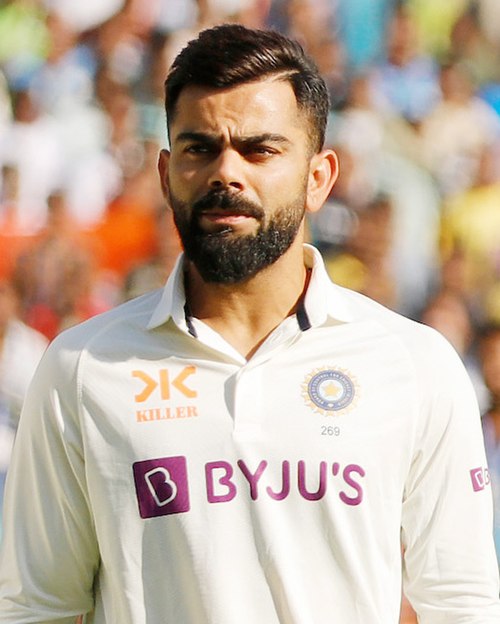
India beat South Africa by 17 runs in a high-scoring ODI at the JSCA International Stadium Complex, Ranchi on 30 November 2025. Batting first after South Africa won the toss and chose to field, India posted 349/8 across their 50 overs. South Africa gave the chase a genuine go, reaching 332 all out, but fell short with the result settled inside the final overs. Virat Kohli won the Player of the Match award. The margin looks comfortable on paper; the course of the game was considerably tighter.
India's innings was built across all three phases. They scored 80/1 in the powerplay, added 184/3 through the middle, then finished with 85/4 at the death. South Africa's reply followed a different shape entirely. Three wickets fell for 47 in the powerplay, putting them immediately behind the rate and the required wicket count. A remarkable middle-overs recovery of 223 runs for 5 wickets dragged them back into contention, before 62 runs in the death overs proved just insufficient.
For context on how unusual this match was: the venue's average first-innings score across 42 ODIs here is 196. India were 153 runs above that. Even South Africa's losing total of 332 was well above the ground's average second-innings score of 167. Both sides essentially played a different kind of cricket to what this ground typically produces.
Venue and conditions
The JSCA International Stadium Complex has hosted 42 ODIs and the numbers point to a surface that traditionally favours moderate totals. The average powerplay yield is 42 runs, the average death-overs tally is 33, and the chase success rate sits at 58%. Teams batting second have historically done reasonably well here, which explains why South Africa's decision to field was not unreasonable at the toss.
India's powerplay of 80 runs was nearly double the venue average of 42. Their death-overs contribution of 85 was more than two and a half times the ground's historical norm of 33. When both the top-order platform and the finishing phase fire above expected levels simultaneously, totals in the 340s become possible even on a ground that has rarely seen them. South Africa's powerplay collapse to 47/3 was in one sense bad luck; in another, it reflected the risk of chasing such a large total at a venue where recoveries are harder once the ball gets old.
Toss decisions at Ranchi are worth noting: teams choose to field 45% of the time here, roughly in line with the coin. The pitch does offer something for pace bowlers early, which informs that choice, but dew and surface deterioration in the second innings can flatten the advantage.
How to watch
India vs South Africa ODIs are available in the UK via Sky Sports Cricket, with live streaming on Sky Go and NOW TV for subscribers. Sky Sports typically holds the broadcast rights for bilateral India home series, so UK viewers can expect both commentary and on-screen graphics from their platform. Specific kick-off times in GMT will vary depending on the match timing in India, where day games generally start at 9:30 IST (04:00 GMT) and day-night matches at 13:30 IST (08:00 GMT).
Recent form
India arrived at Ranchi having lost their two previous fixtures against South Africa in 2025, with a no-result and two wins against Australia before that. South Africa came in on the back of consecutive wins over India, though they had split their Pakistan series 2-2 with one game rained off in the preceding weeks. The form line, therefore, was pointing towards South Africa at the start of this match, which makes India's recovery to post 349/8 more significant.
South Africa's recent results show a side capable of beating the best teams at home and in neutral conditions. Their Pakistan series was close throughout. What the Ranchi match exposed was a fragility in the powerplay when chasing very large totals, a factor that may be worth tracking in forthcoming fixtures between these sides. The two teams have another meeting on record at Narendra Modi Stadium, so the head-to-head conversation between them is far from over.