Match overview
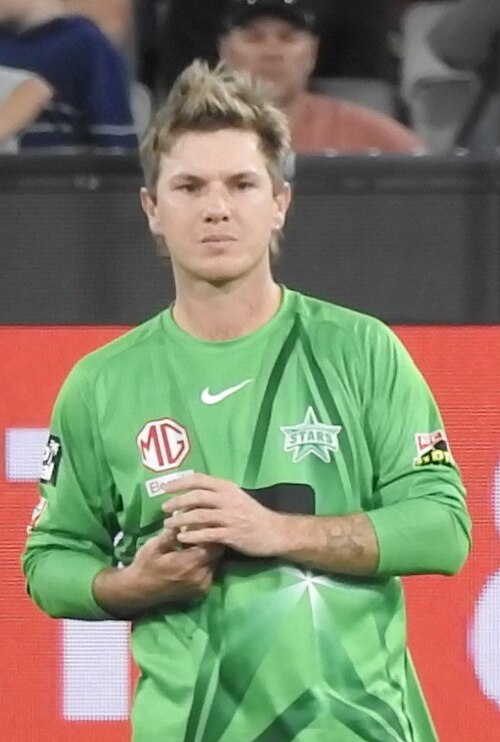
Australia Cricket beat Oman Cricket by 9 wickets in a T20 international at Pallekele International Cricket Stadium, Kandy, on 20 February 2026. Oman were dismissed for 104, a total that left Australia with little to do. They reached 108 for 1, completing the chase without their innings ever entering the death overs. Adam Zampa was named Player of the Match for his role with the ball as Oman's batting disintegrated across the middle phase of their innings.
Australia won the toss and chose to field, a decision that worked immediately. Oman's powerplay produced 47 runs but cost them 3 wickets, and the middle overs brought only 51 more runs at the cost of 4 further dismissals. The death overs were irrelevant by then: Oman managed 6 runs from that phase while losing their final 3 wickets. A total of 104 all out was never going to test an Australian side of any recent vintage.
Australia's reply was settled inside the powerplay. Opening the chase, they put on 73 runs without loss in the first six overs, more than doubling Pallekele's average powerplay score of 42. They lost one wicket in the middle overs and reached their target at 108 for 1. The result was academic long before the final ball.
Venue and conditions
Pallekele International Cricket Stadium has hosted 106 matches, with an average first-innings score of 208 and an average second-innings score of 182. Oman's 104 sat 104 runs below that first-innings average, which tells you most of what you need to know about the surface on this occasion. The chase success rate at the ground sits at 51 per cent, and the toss-and-field rate mirrors that at exactly 50 per cent, suggesting there is no overwhelming toss advantage here in normal conditions.
The ground has a long history of rewarding spin. Some of the highest bowling figures recorded at Pallekele belong to slow bowlers: the venue's most economical performances in Test cricket have come from spinners extracting significant turn off a pitch that can grip and deviate. In T20 cricket the dynamics shift, but pace through the crease and variety remain effective weapons here. Australia's decision to bowl first is consistent with how most visiting captains approach this ground.
Death overs have tended to be productive at Pallekele, with an average of 31 runs in the final phase across the ground's match history. That Oman managed only 6 runs in that phase reflects their situation rather than any unusual pitch behaviour; by the time the death overs arrived, they had no wickets left to lose.
How to watch
Australia's T20 internationals are broadcast in the United Kingdom on Sky Sports Cricket, with live and on-demand access through Sky Go and NOW TV for those without a full Sky subscription. Fixture schedules and broadcast times for the ongoing T20I tournament can be found on Sky Sports' cricket schedule page.
For ICC-sanctioned events, BBC Radio's Test Match Special operation occasionally covers knockout stages and major fixtures; check the BBC Sport website for any radio commentary listings. UK viewers should note Sri Lanka's time zone sits five and a half hours ahead of GMT, meaning evening matches in Kandy typically kick off around 14:30 UK time.
Recent form
Oman came into this fixture without a win in their three 2026 T20I matches, having lost to Ireland, Sri Lanka, and Zimbabwe. Their two wins in the run-up to this tournament came against UAE and Japan in 2025, opponents at a comparable or lower tier. The step up in class against Australia was always going to be significant, and the scoreline reflected that.
Australia themselves arrived in uneven form. They had beaten Ireland in their most recent 2026 outing before this fixture, but carried four losses in their last five matches across the year, including two defeats to Pakistan. The win over Oman steadied their record, but it also came against the weakest opponent in their recent schedule. How they perform against stronger sides later in the tournament will be the better measure of where this Australian group stands.